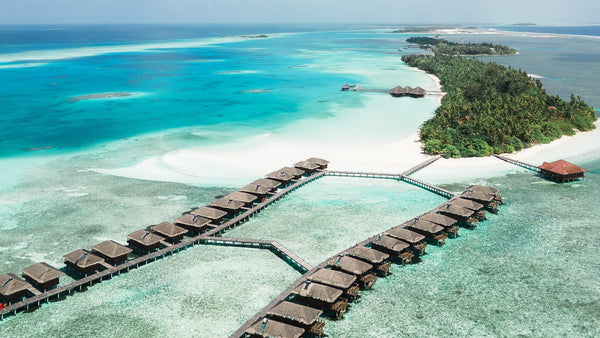
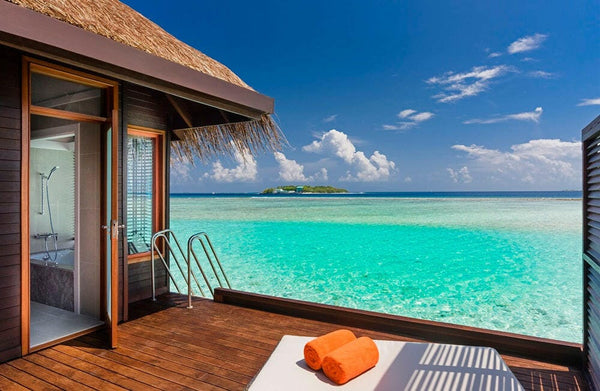
Maldives Monsoon & Rainy Season Guide: Is May–October Worth It?

In this article
Ask most travel agents about the Maldives in monsoon season and they'll steer you toward the dry months. Ask someone who's actually been — and loved it — and you'll get a very different answer.
The truth about the Maldives wet season is more nuanced, more interesting, and frankly more appealing than the conventional wisdom suggests. Here's everything you need to know before you decide.

When Is Monsoon Season in the Maldives?
The Maldives experiences two distinct seasons:
- Dry Season (Northeast Monsoon): November to April — calm seas, clear skies, low humidity, and peak tourist prices
- Wet Season (Southwest Monsoon): May to October — higher humidity, occasional rain, rougher seas on exposed coasts, and significantly lower rates
The wet season peaks between June and August, with May and September–October being transitional months that often offer the best of both worlds — lower prices with increasingly settled weather.
What Does "Monsoon" Actually Mean in the Maldives?
Here's the key thing most people get wrong: monsoon in the Maldives does not mean constant rain. It means:
- Short, sharp showers — typically lasting 20–40 minutes, often at night or in the early morning
- Warmer water temperatures — averaging 29–30°C, ideal for swimming and snorkelling
- Lush, vivid greenery — the islands are at their most beautiful, with tropical vegetation in full bloom
- Dramatic skies — moody clouds and golden light that photographers dream about
- Fewer guests — resorts are quieter, service is more attentive, and the experience feels more private
What it does not mean: days of unrelenting rain, flooded beaches, or cancelled activities. The Maldives is an equatorial destination — even in the wet season, you'll have long stretches of sunshine every day.
The Real Advantages of Visiting in Monsoon Season
1. Significantly Lower Rates
This is the most compelling reason. Rates during the wet season can be 30–50% lower than peak season prices at the same resort. For Indian travellers — particularly those travelling during school holidays in May–June or the Diwali window in October — this represents extraordinary value.
A resort that costs ₹ 1,50,000/night in December may be available for ₹ 80,000–₹ 1,00,000/night in June. The resort, the service, and the experience are identical. Only the price changes.
2. Fewer Crowds
Peak season in the Maldives — particularly December to February — sees resorts at or near capacity. In the wet season, you'll often find yourself with the beach, the pool, and the restaurant largely to yourself. For couples seeking genuine privacy, this is a significant advantage.
3. Better Diving Conditions (in Some Atolls)
Counterintuitively, the wet season brings some of the best diving conditions in the Maldives. The southwest monsoon drives nutrient-rich currents that attract whale sharks and manta rays — particularly in Baa Atoll, which is a UNESCO Biosphere Reserve. If marine life encounters are a priority, June to October is actually the optimal window.

4. Warmer Water
Sea temperatures are at their highest during the wet season — consistently 29–30°C. For swimmers and snorkellers, this is ideal.
5. Lush Scenery
The islands are genuinely more beautiful in the wet season. Tropical vegetation is at its most vivid, the air is fresh after rain, and the dramatic cloud formations create a visual atmosphere that the flat blue skies of peak season simply can't match.

The Honest Downsides
Rougher Seas
The southwest monsoon brings stronger winds and choppier seas, particularly on the western-facing sides of atolls. Speedboat transfers can be uncomfortable in rough conditions, and some water sports may be restricted on certain days.
Mitigation: Choose a resort in a protected lagoon or on the eastern side of an atoll. Your 360 Degree World specialist can advise on which resorts are best sheltered during the wet season.
Seaplane Disruptions
Seaplanes are more susceptible to weather delays during the wet season. If your resort requires a seaplane transfer, build in flexibility around your international connections.
Unpredictability
The wet season is, by definition, less predictable than the dry season. You may have a week of near-perfect weather, or you may have several days of overcast skies. If guaranteed sunshine is non-negotiable, the dry season is the safer bet.
Best Resorts for the Wet Season
Not all resorts are equally well-suited to the wet season. The best choices are those with protected lagoons on the eastern (leeward) side of atolls, strong indoor and covered dining options, excellent spa and wellness facilities, and robust marine programmes that can pivot to sheltered dive sites.
Our top wet season picks include Baros Maldives (North Malé Atoll, protected lagoon), Anantara Kihavah (Baa Atoll, exceptional for manta ray season), and COMO Cocoa Island (South Malé Atoll, outstanding wellness programme for rainy days).

Who Should Visit in Monsoon Season?
- Budget-conscious luxury travellers who want the five-star experience at a significantly lower price
- Divers and marine enthusiasts — whale shark and manta ray season peaks June–October
- Indian families travelling during May–June school holidays or October Diwali break
- Couples seeking privacy who want a quieter, more intimate resort experience
- Photographers drawn to dramatic skies and lush tropical scenery
Our Verdict
The Maldives in monsoon season is not a compromise. For the right traveller — and with the right resort choice — it can be the best possible time to visit. Lower prices, fewer crowds, warmer water, and the chance to encounter whale sharks and manta rays make a compelling case.
The key is choosing your resort wisely and going in with realistic expectations. Rain will happen. It will also pass quickly, and what follows is often the most beautiful weather of the day.
Chat with our Maldives specialists on WhatsApp — we'll help you find the right resort for the wet season and make sure you get the best possible rates.
360 Degree World is a luxury Maldives travel specialist based in India. We work directly with 166+ resorts to craft bespoke holidays for discerning travellers — in every season.